
FinTech · Payment infrastructure
Case StudiesFintech
AI-Powered FinTech & Payment Infrastructure
Intelligent payment orchestration, transaction intelligence & fraud monitoring
Payment orchestration, transaction intelligence, automated reconciliation, and fraud monitoring with human-governed risk decisions.
Overview
Reliable Payments With Operational Intelligence
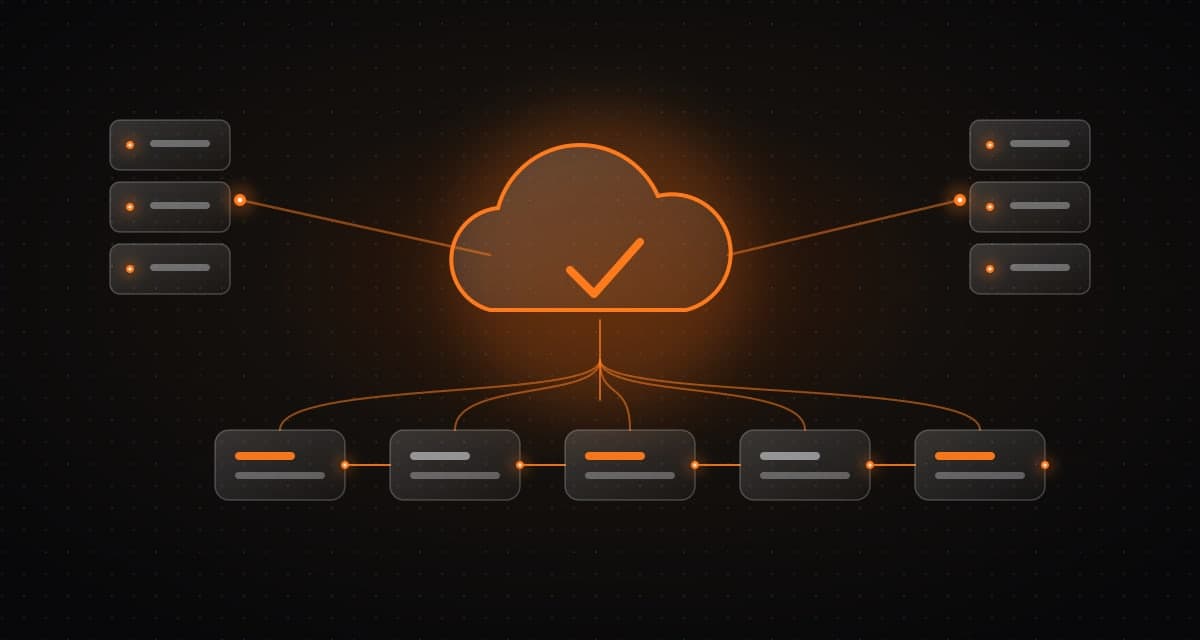
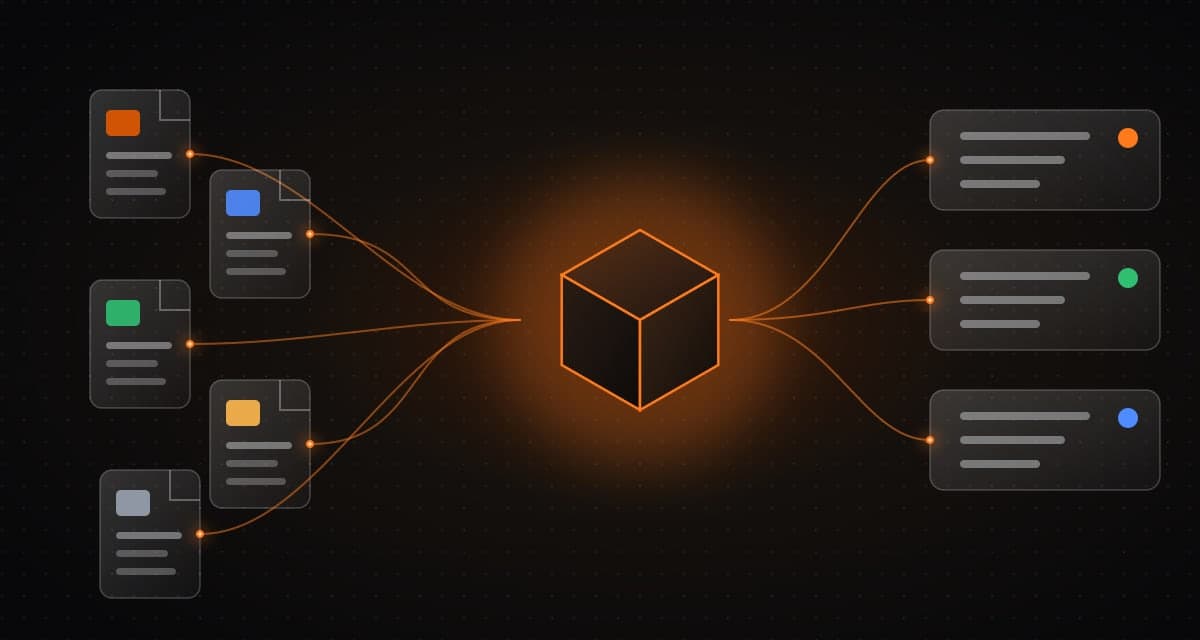
Financial platforms process transactions across gateways, banking partners, wallets, and internal systems. Growth brings payment failures, fragmented data, fraud exposure, reconciliation delays, and weak visibility. Bracket & Bit proposes an AI-powered FinTech infrastructure combining payment orchestration, transaction intelligence, automated reconciliation, and intelligent fraud monitoring in one platform—for more reliable, observable, scalable payment operations. Proposed solution concept—not a verified client deployment.
The challenge
Scale Exposes Fragmentation and Risk
Payment fragmentation
Gateways and banking integrations operate independently.
Transaction failures
No unified way to detect and respond to failed payments.
Fraud exposure
Static rules alone miss evolving suspicious patterns.
Reconciliation overhead
Matching gateways, banks, and ledgers is labour-intensive.
Limited visibility
Finance and ops rely on disconnected reports.
Operational complexity
New providers, currencies, and channels increase integration cost.
Proposed solution
Six Capabilities for FinTech Operations
Risk scores support human review and approved policies—they do not autonomously make high-impact decisions.
Intelligent payment orchestration
Multi-gateway adapters, routing policies, health monitoring, retry/fallback, normalised status, webhooks, central logs.
Reference architecture
Seven Layers From Apps to Security
Application layer
Merchant dashboards, finance portals, and customer-facing applications.
Illustrative workflow
End-to-End Payment Lifecycle
Proposed flow—not a verified production deployment.
- 1
Customer initiates payment through a connected application.
- 2
Application sends the request to the payment API.
- 3
Orchestration validates the request and applies routing policies.
- 4
Selected payment provider processes the transaction.
- 5
Provider responses and webhooks update the transaction lifecycle.
- 6
Transaction intelligence evaluates operational and risk signals.
- 7
Settlement data is imported for reconciliation.
- 8
Exceptions and suspicious activity surface to authorised ops teams.
- 9
Dashboard updates transaction and settlement reporting.
Operations
Financial Operations Dashboard
Shared view for management, finance, and technical teams.
- Total transaction volume
- Successful and failed payments
- Payment provider performance
- Settlement status
- Transaction risk alerts
- Reconciliation exceptions
- Revenue and transaction trends
- Operational activity logs
Security & compliance considerations
Built for Financial Controls From the Start
Regulatory requirements, jurisdiction, and payment model must be assessed per deployment. PCI DSS applies where cardholder data is involved.
- Encryption in transit and at rest, secure API auth, RBAC, secrets and key management
- Tamper-evident audit logging, webhook signature verification, rate limiting, abuse protection
- Data retention, access policies, payment-data minimisation—PCI DSS assessed where cards are involved
- Jurisdiction-specific regulatory requirements evaluated per deployment; no storage of sensitive card data without compliant need
- Risk scores support human review and approved policies—not autonomous high-impact decisions
Technology
Suggested Technology Stack
Depends on transaction volume, availability, integrations, and deployment environment.
Application
- Next.js
- React
- TypeScript
- Node.js
- Express.js
Data & events
- PostgreSQL
- MongoDB
- Redis
- BullMQ
- Kafka
Intelligence
- Python
- ML frameworks
- Anomaly detection
- Analytics pipelines
Platform
- Docker
- Kubernetes
- Nginx
- Prometheus
- Grafana
- KMS
Expected business value
Intended Outcomes, Not Measured Results
Production performance must be validated through implementation—not claimed here.
- Consolidated payment operations across providers
- Better visibility into failures and provider performance
- Less manual reconciliation and clearer exceptions
- Earlier identification of suspicious patterns for investigation
- Stronger operational reporting and simpler product integrations
- Foundation for scalable payment services
Implementation
From Core APIs to Enterprise Readiness
Core infrastructure
Payment API, provider framework, transaction lifecycle, initial dashboard.
Financial intelligence
Analytics, provider monitoring, reconciliation, exception management.
AI & risk intelligence
Anomaly detection, risk aggregation, fraud dashboard, investigations.
Enterprise readiness
Access controls, security assessment, performance testing, compliance review, production planning.
Related case studies

Orchestrate Payments. See Risk. Reconcile With Confidence.
Discuss provider integration, fraud workflows, reconciliation design, and compliance scope for your payment model.