

AI & Automation · 1.4
Retrieval-Augmented Generation (RAG)
RAG retrieves relevant information from approved documents or databases and supplies it to an AI model to ground its answer.
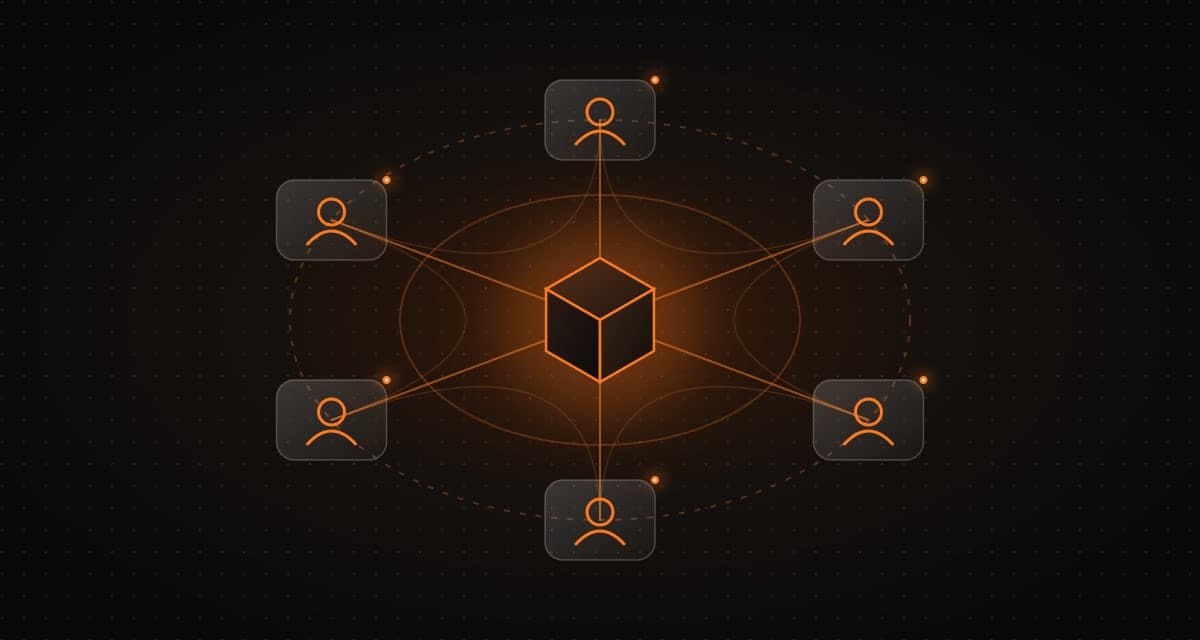
What it is and how it works
RAG retrieves relevant information from approved documents or databases and supplies it to an AI model to ground its answer. Implementation may include document ingestion, indexing, search, access controls, and source references.
Who it is for
Organisations whose answers live across policies, manuals, contracts and internal documents that people struggle to search.
What is typically included
- Document ingestion, cleaning and indexing
- Search and retrieval tuned to your content
- Permission-aware access so users only see what they may see
- Answers with source references and retrieval evaluation
Client benefit
Users can find answers across policies, manuals, and internal knowledge more quickly.
Keep in mind
Permission-aware retrieval helps protect restricted information and makes answers easier to verify.
Typical deliverables
The final list depends on discovery and the scope we agree together.
- 01
RAG pipeline and search interface
- 02
Access-control mapping for indexed content
- 03
Evaluation set and quality report
How we deliver
- Step 1
Discover
Map the workflow, data, risks and constraints before any design work starts.
- Step 2
Architect
Define the system, integrations and human-approval points as a reviewable design.
- Step 3
Build
Deliver a practical first slice, then extend it in small, tested increments.
- Step 4
Operate
Monitor, secure and continuously improve the system after launch.
Common questions
What does RAG add over a plain chatbot?
It retrieves relevant passages from your approved documents and gives them to the model, so answers are grounded in your content and can point back to sources.
How is restricted information protected?
Retrieval respects the same permissions as the source systems, so a user cannot get an answer built from content they are not allowed to open.
Next
Talk through your system with our engineers.
Share the problem and constraints. We will map relevant capabilities to your goals, existing systems and timeline, then define scope and measurable outcomes.