

Enterprise Software · 5.4
Business Process Automation
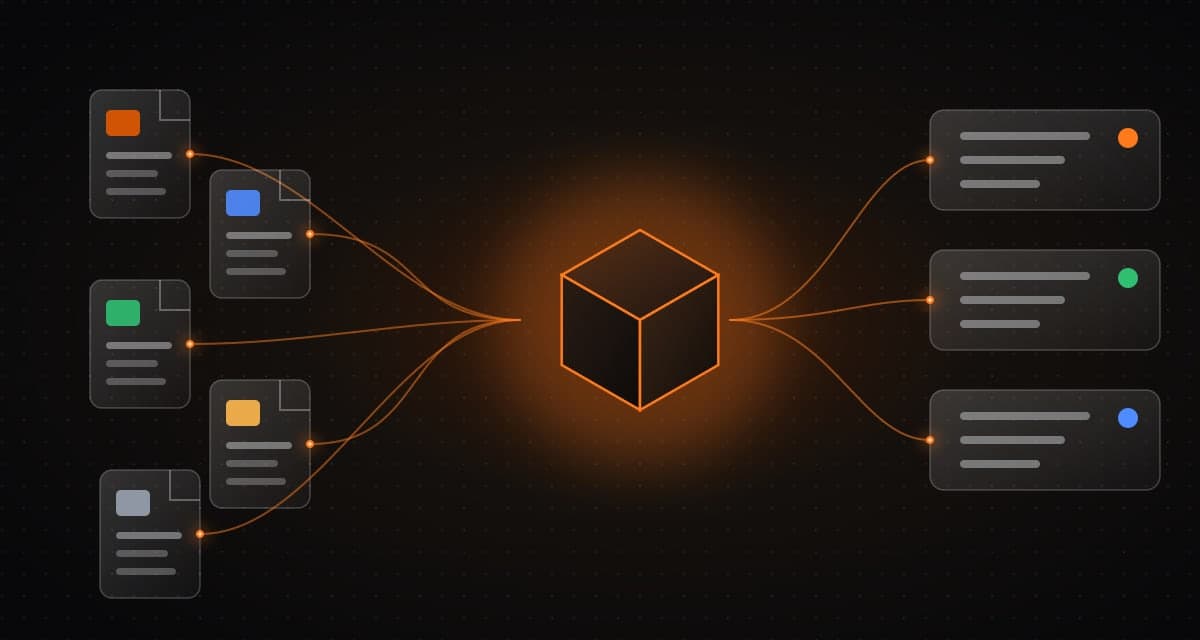
We turn repeatable tasks into workflows using application logic, integrations, triggers, and approvals.

What it is and how it works
We turn repeatable tasks into workflows using application logic, integrations, triggers, and approvals.
Who it is for
Teams with repeated tasks that cause delays or inconsistent hand-offs.
What is typically included
- Identifying repeatable tasks
- Application logic, integrations and triggers
- Approvals and exception handling
- Visible accountability
Client benefit
Automation reduces delays and inconsistent hand-offs while keeping exceptions and accountability visible.
Typical deliverables
The final list depends on discovery and the scope we agree together.
- 01
Automated business workflows
- 02
Approval and exception paths
- 03
Activity logs
How we deliver
- Step 1
Discover
Map the workflow, data, risks and constraints before any design work starts.
- Step 2
Architect
Define the system, integrations and human-approval points as a reviewable design.
- Step 3
Build
Deliver a practical first slice, then extend it in small, tested increments.
- Step 4
Operate
Monitor, secure and continuously improve the system after launch.
Common questions
Do exceptions disappear?
No. Exceptions and accountability stay visible rather than hidden in the automation.
How is it different from workflow automation with AI?
This focuses on application logic and integrations; AI can be added where it helps.
Related reference architectures
Next
Talk through your system with our engineers.
Share the problem and constraints. We will map relevant capabilities to your goals, existing systems and timeline, then define scope and measurable outcomes.