

FinTech, KYC & RegTech · 4.4
Transaction Monitoring & Risk Intelligence
Monitoring evaluates agreed transaction attributes and patterns to flag activity for review, using rules, analytics, and case queues.
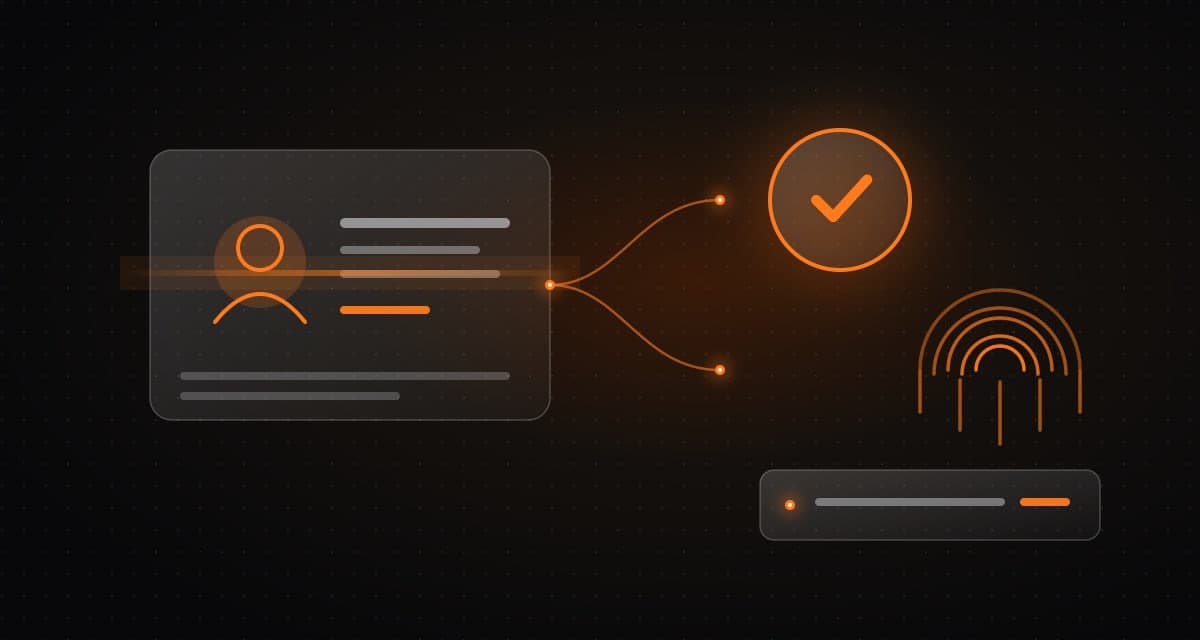
What it is and how it works
Monitoring evaluates agreed transaction attributes and patterns to flag activity for review, using rules, analytics, and case queues.
Who it is for
Teams that need to flag unusual transactions for review and document the follow-up.
What is typically included
- Agreeing transaction attributes and patterns to evaluate
- Rules, analytics and alert generation
- Case queues with notes and status
- Tuning thresholds with your risk team
Client benefit
Teams can prioritise unusual activity and document follow-up.
Keep in mind
Alerts are not definitive findings and require appropriate investigation.
Typical deliverables
The final list depends on discovery and the scope we agree together.
- 01
Monitoring rules and alert queue
- 02
Case management workflow
- 03
Reporting on alert outcomes
How we deliver
- Step 1
Discover
Map the workflow, data, risks and constraints before any design work starts.
- Step 2
Architect
Define the system, integrations and human-approval points as a reviewable design.
- Step 3
Build
Deliver a practical first slice, then extend it in small, tested increments.
- Step 4
Operate
Monitor, secure and continuously improve the system after launch.
Common questions
Is an alert proof of wrongdoing?
No. Alerts require appropriate investigation before any conclusion.
Can the rules change as we learn?
Yes. Rules and thresholds are tuned with your team based on outcomes.
Related reference architectures
Next
Talk through your system with our engineers.
Share the problem and constraints. We will map relevant capabilities to your goals, existing systems and timeline, then define scope and measurable outcomes.